What is a Native Plant Pollinator Garden/Habitat?
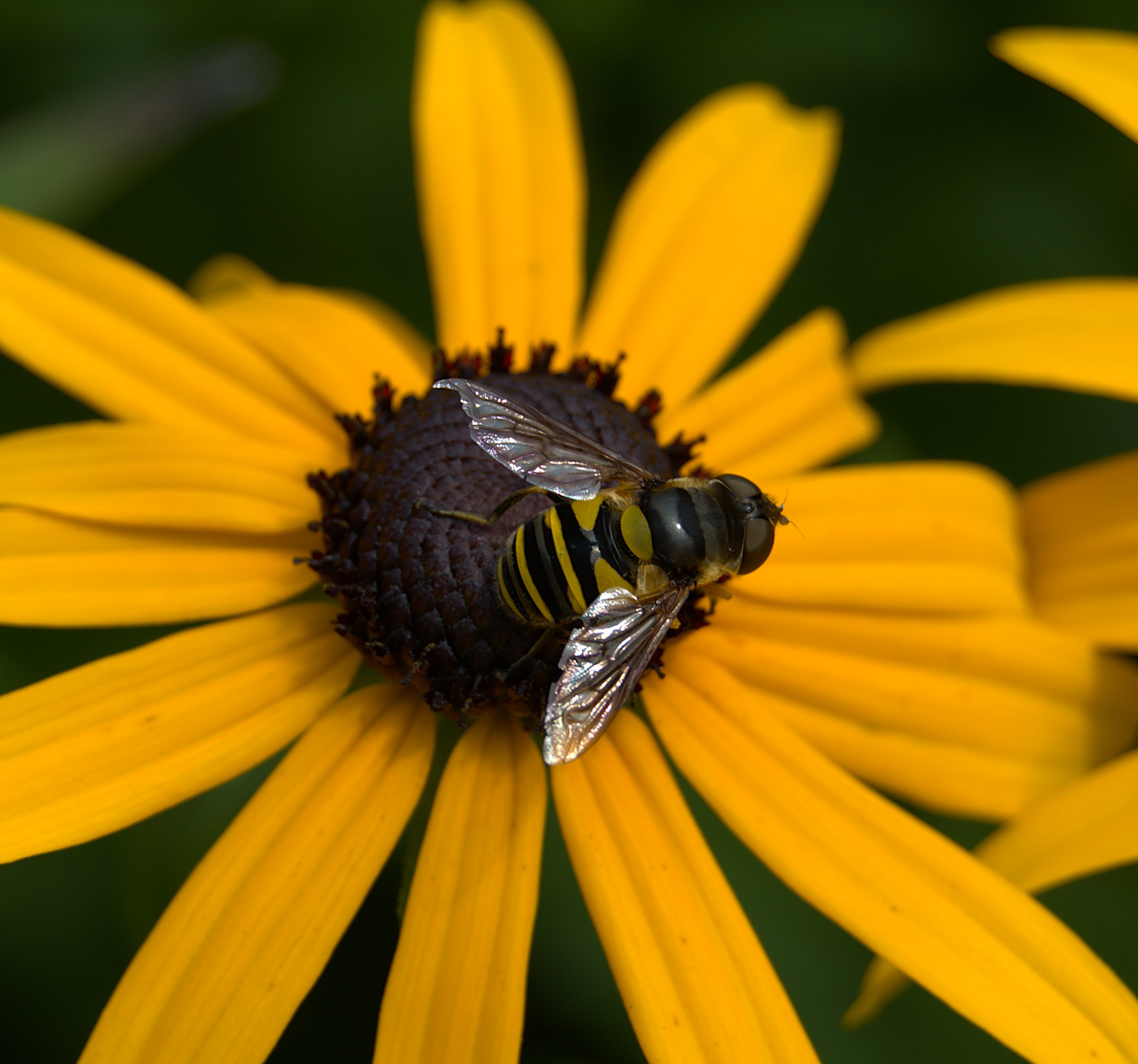
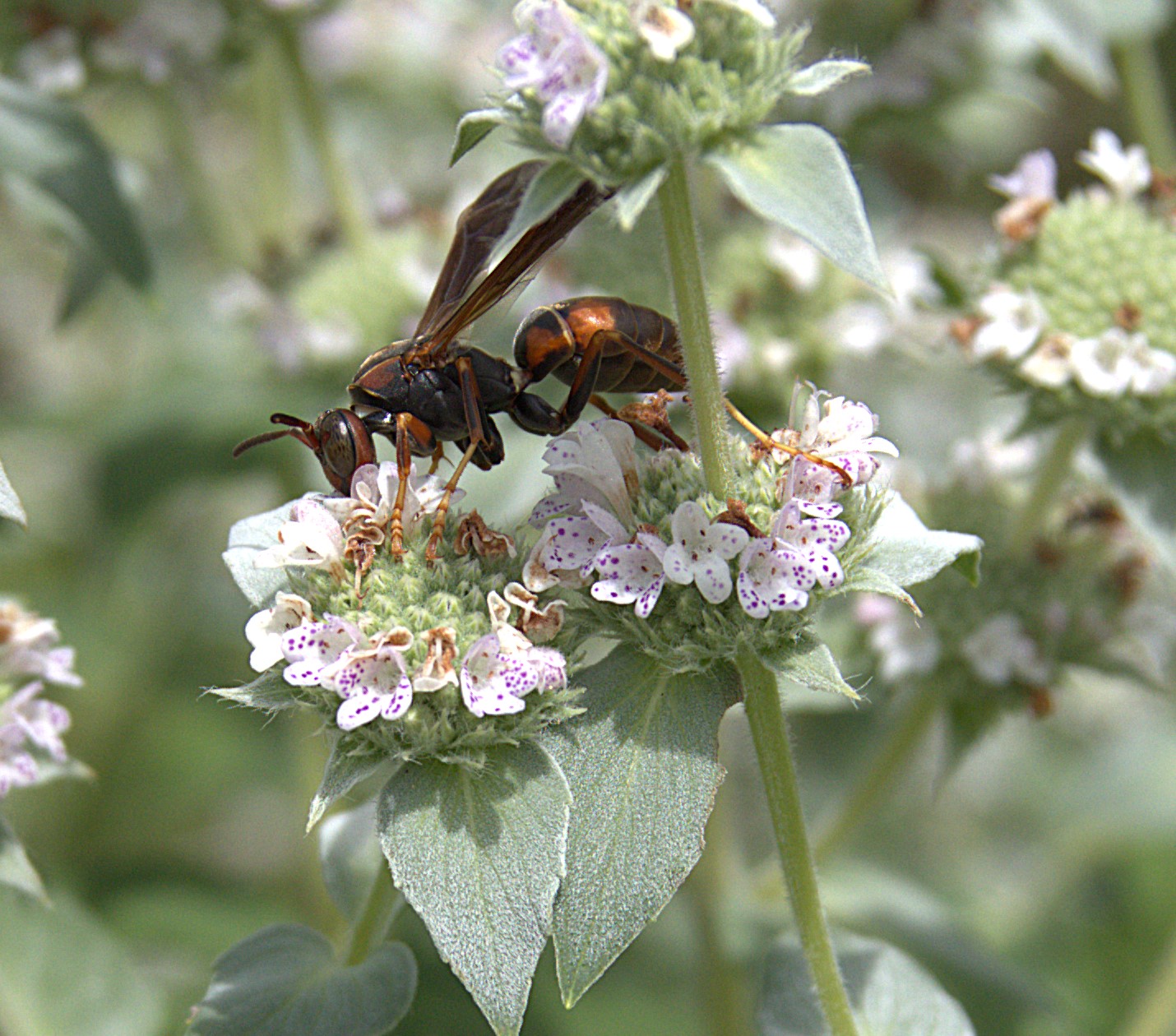
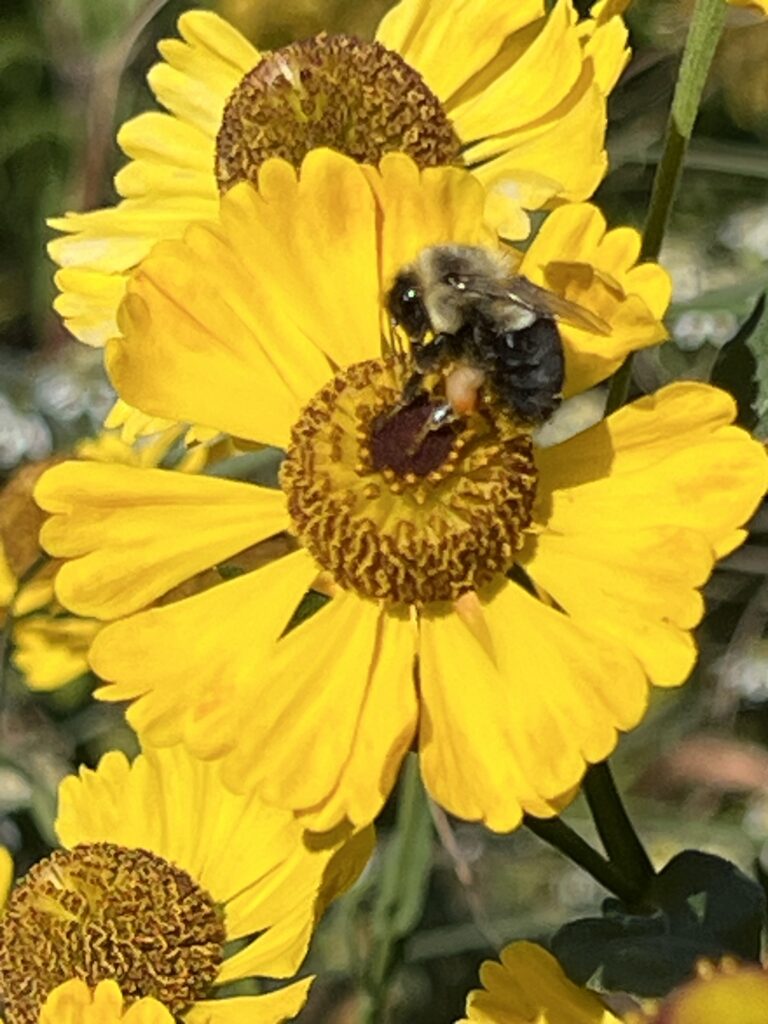
A native plant pollinator garden or habitat is a garden specifically designed to attract and support pollinators—such as bees, butterflies, moths, hummingbirds, and other beneficial insects—by using plants that are native to the region. These gardens play a crucial role in promoting biodiversity, supporting local ecosystems, and aiding in the pollination of crops and wild plants.
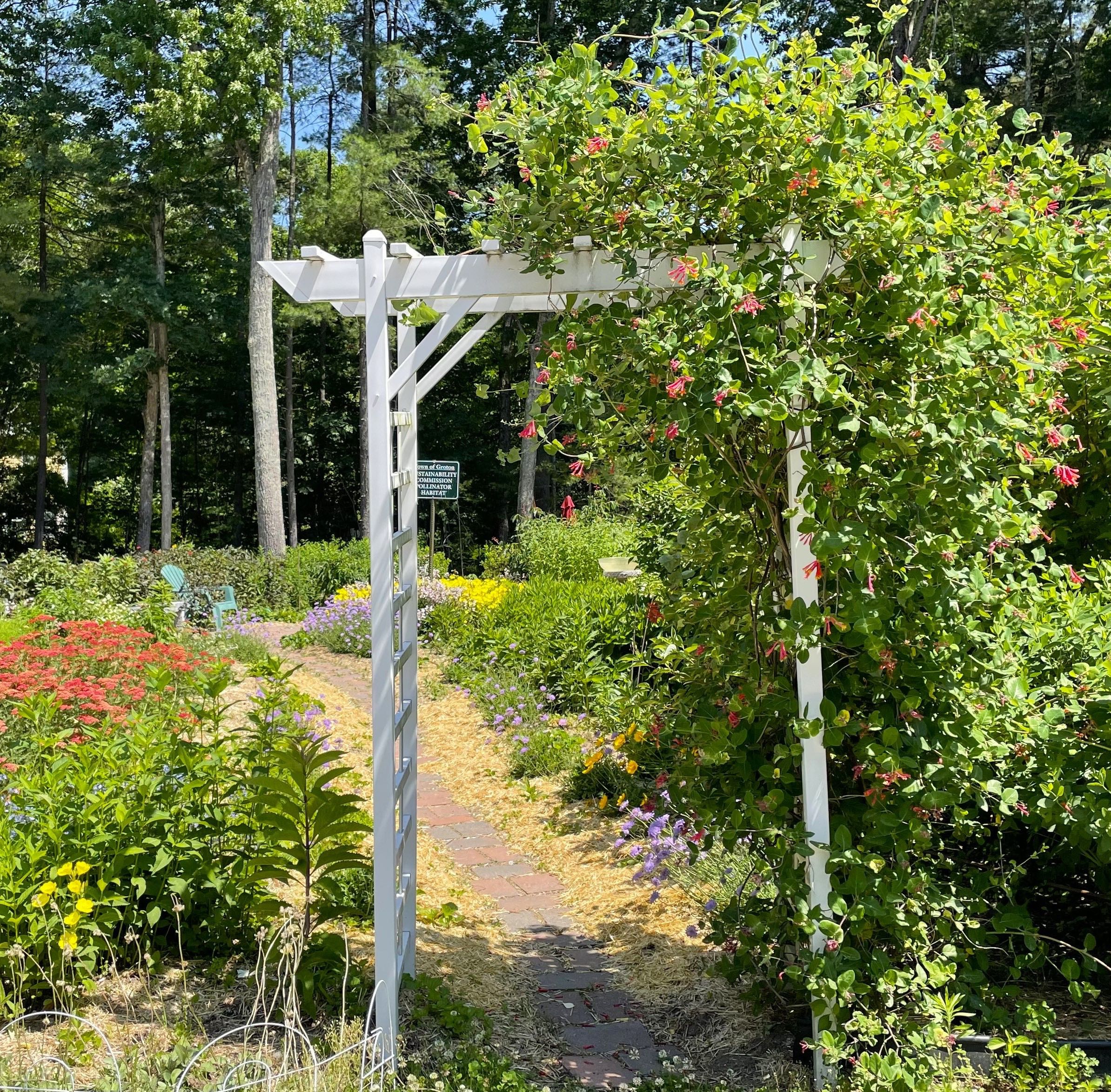
Click on the Deep Dive tab above to read about the beautiful Sustainability Commission Pollinator Garden at the Groton Center.
Key Features of a Native Plant Pollinator Garden/Habitat:
1. Native Plants:
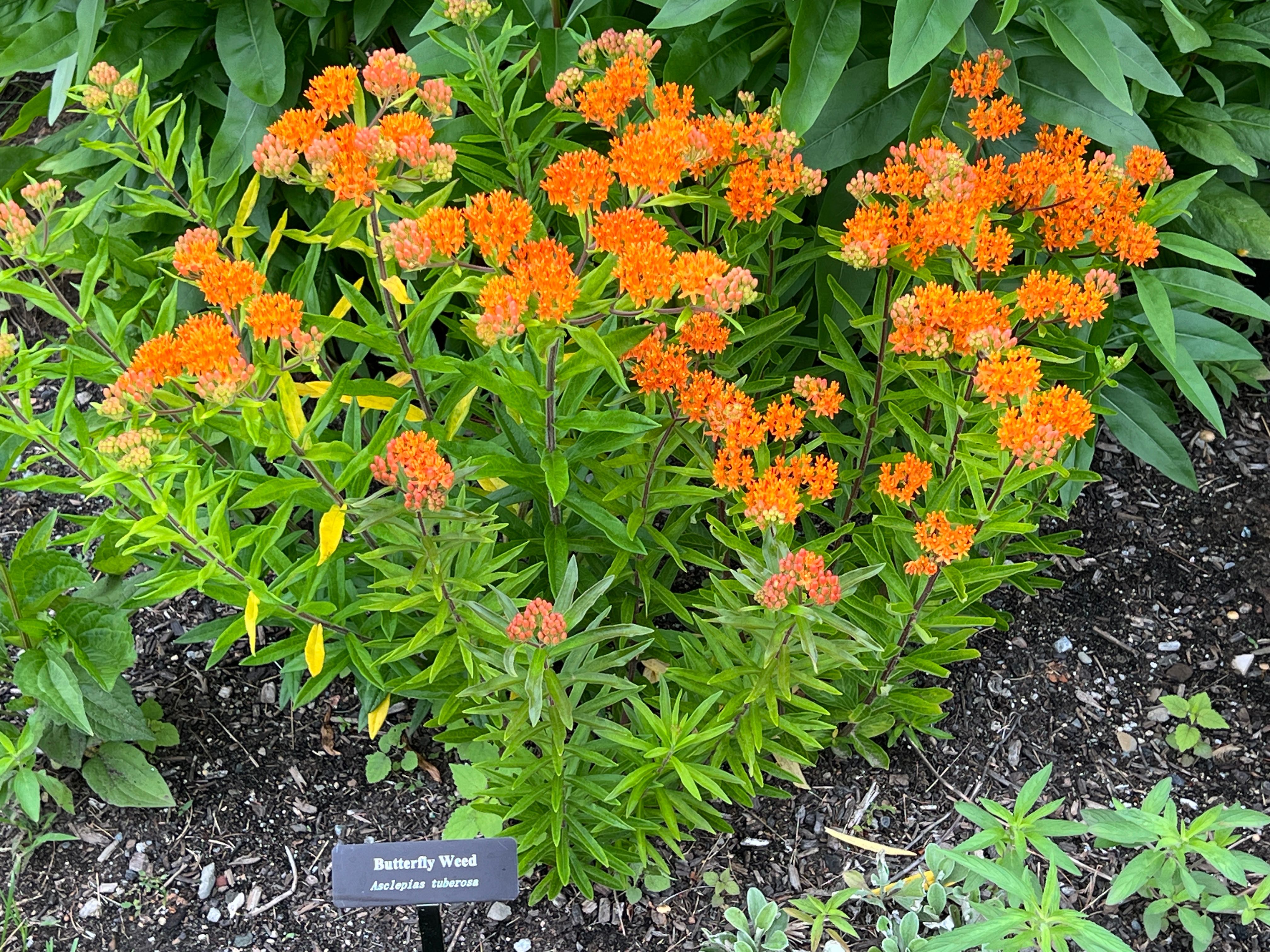
Native plants are well-suited to the local climate, soil, and water availability, making them more resilient and requiring less maintenance. They have evolved alongside native pollinators, providing them with the specific nectar, pollen, and habitat they need.
2. Diversity of Plant Species:
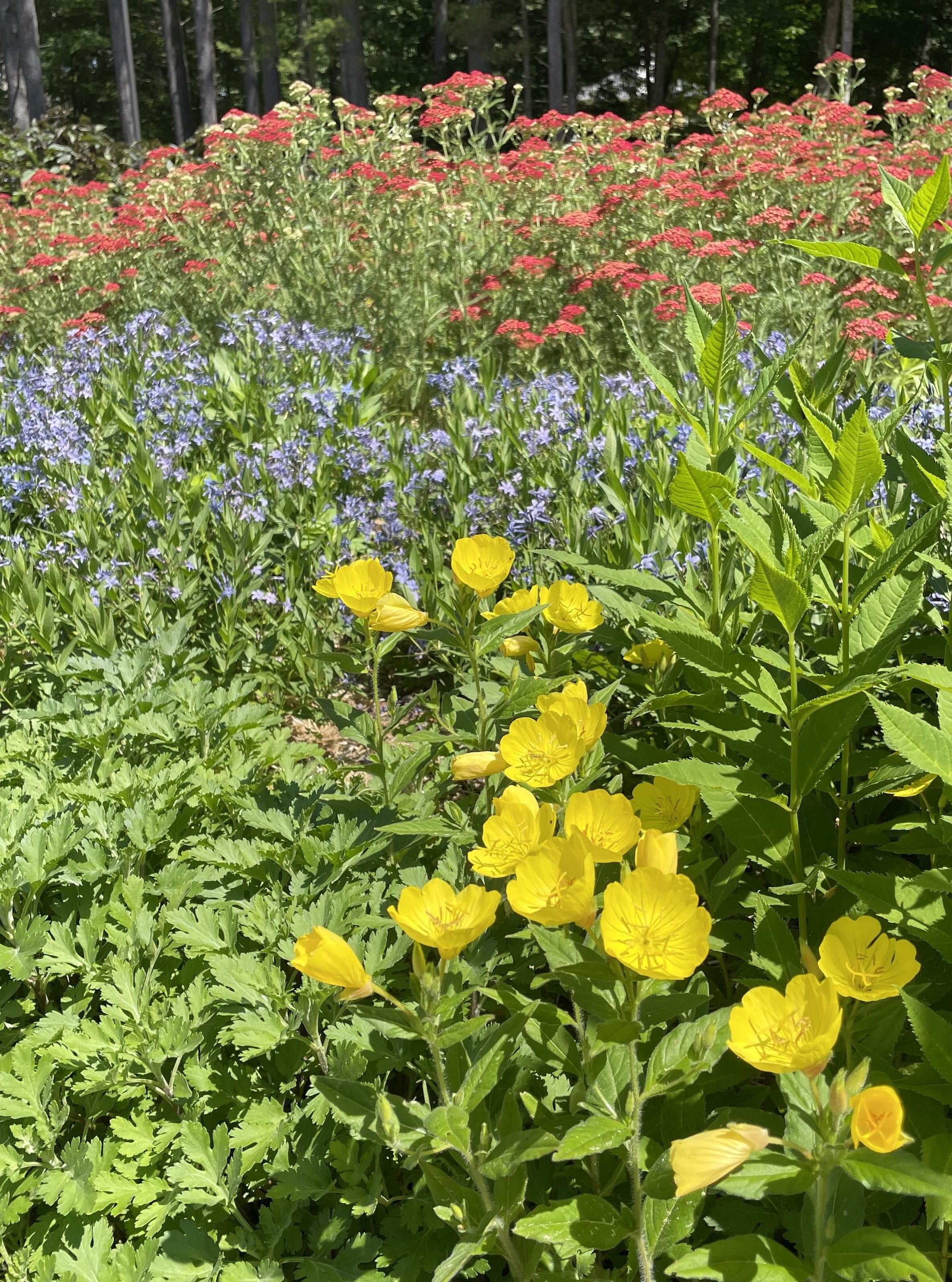
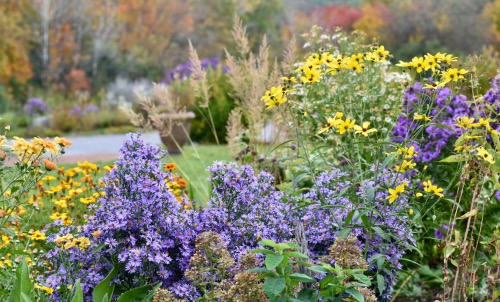
A diverse selection of flowering plants ensures that there are blooms available throughout the growing season, providing a continuous food source for pollinators. Including a range of flower shapes and sizes caters to the needs of different pollinator species. For example, tubular flowers attract hummingbirds, while flat, open flowers are ideal for bees and butterflies.
3. Layered Planting Structure:
Incorporating trees, shrubs, perennials, and groundcovers creates a layered structure that provides shelter, nesting sites, and foraging opportunities for various pollinators. Grouping plants of the same species together makes it easier for pollinators to find and feed on them.
4. Continuous Blooming Period:
Selecting plants that bloom at different times ensures that pollinators have access to food from early spring through late fall. Combining perennials (which return each year) with annuals (which bloom for a single season) can extend the flowering period.
5. No Pesticide Use:
Avoiding the use of pesticides and herbicides is critical, as these chemicals can harm pollinators and disrupt the ecosystem. Using natural methods to manage pests, such as encouraging beneficial insects and using organic pest control measures, helps protect pollinators.
6. Water Sources:
Providing a shallow water source, such as a birdbath with stones for perching, allows pollinators to drink and cool off. Creating damp areas with moist soil can attract butterflies and other pollinators that need water for egg-laying and hydration.
7. Shelter and Nesting Sites:
Including dead wood, brush piles, and undisturbed areas of soil where solitary bees can nest, or providing bee houses and butterfly boxes, helps create a complete habitat for pollinators. These provide additional shelter and nesting sites for various pollinators.
Benefits of a Native Plant Pollinator Garden/Habitat:
By attracting and sustaining native pollinators, these gardens contribute to the health of local ecosystems and the pollination of both wild plants and agricultural crops. Native plant gardens increase plant diversity, which in turn supports a wide variety of pollinator species and other wildlife. Native plants are adapted to local conditions, making them more resistant to pests and diseases, and reducing the need for watering, fertilizing, and other maintenance tasks.
Creating a native plant pollinator garden or habitat is an effective way to contribute to environmental conservation, support local wildlife, and enjoy a beautiful, thriving garden.