Create a Pollinator Garden Habitat

Category

Activism & Education

Impact

Cost

?

What is a Native Plant Pollinator Garden/Habitat?

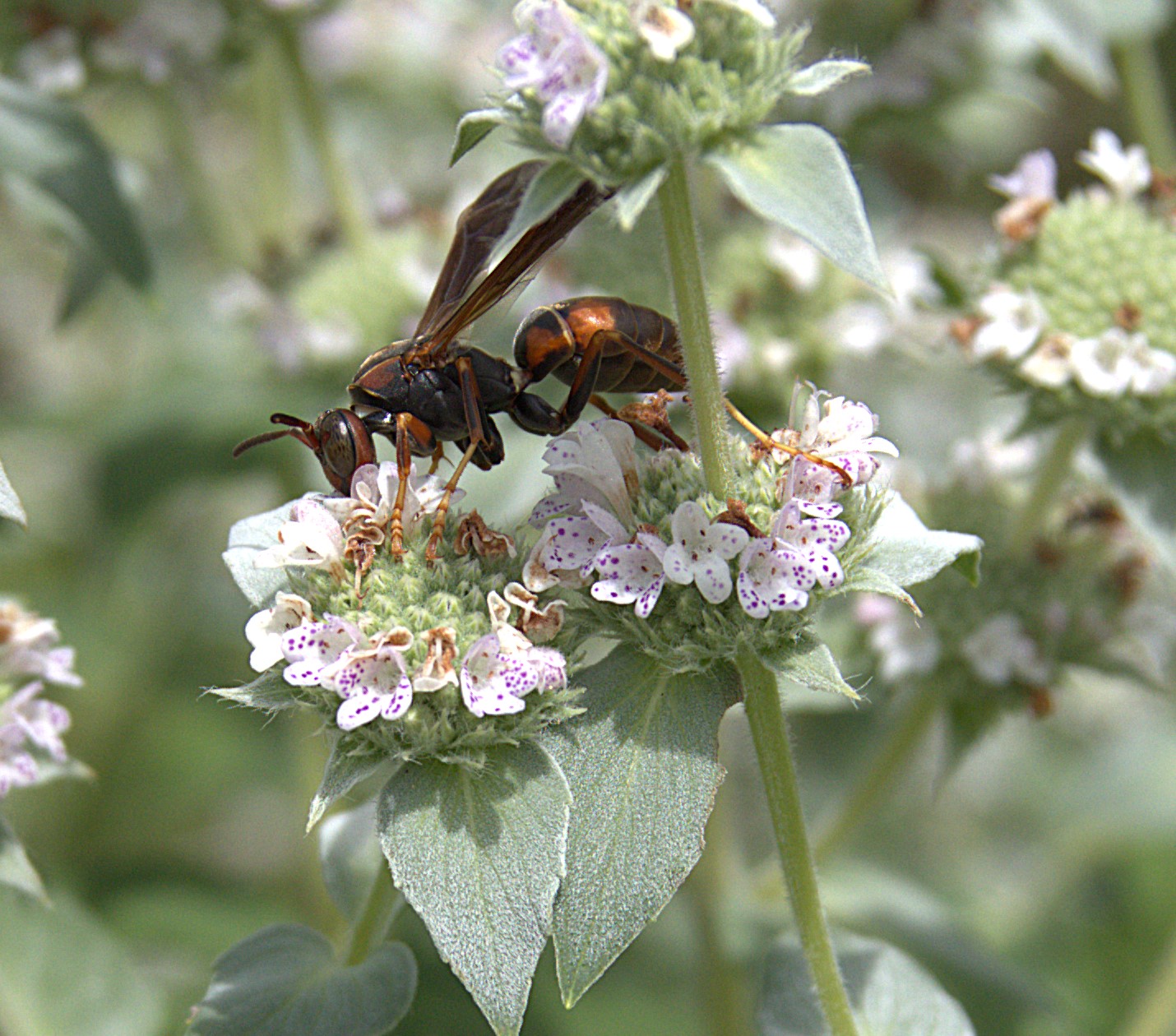
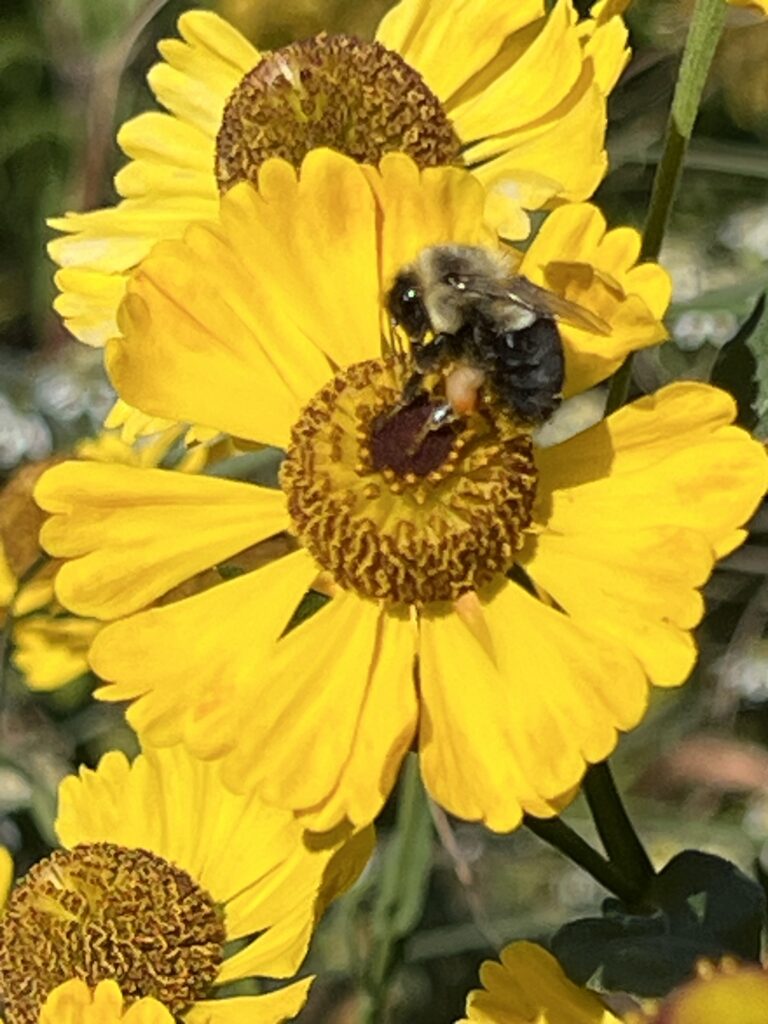
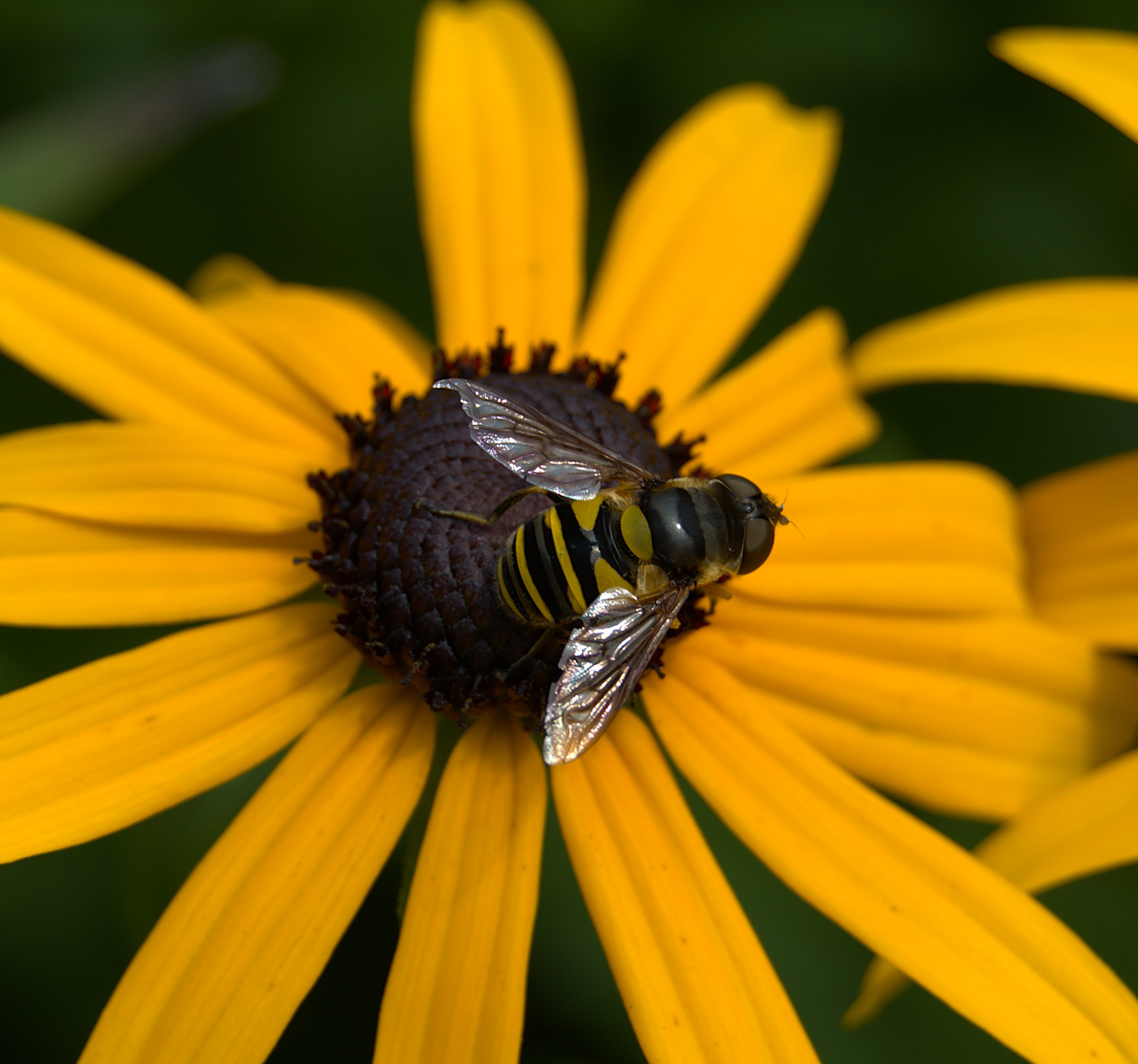
A native plant pollinator garden or habitat is a garden specifically designed to attract and support pollinators—such as bees, butterflies, moths, hummingbirds, and other beneficial insects—by using plants that are native to the region. These gardens play a crucial role in promoting biodiversity, supporting local ecosystems, and aiding in the pollination of crops and wild plants.

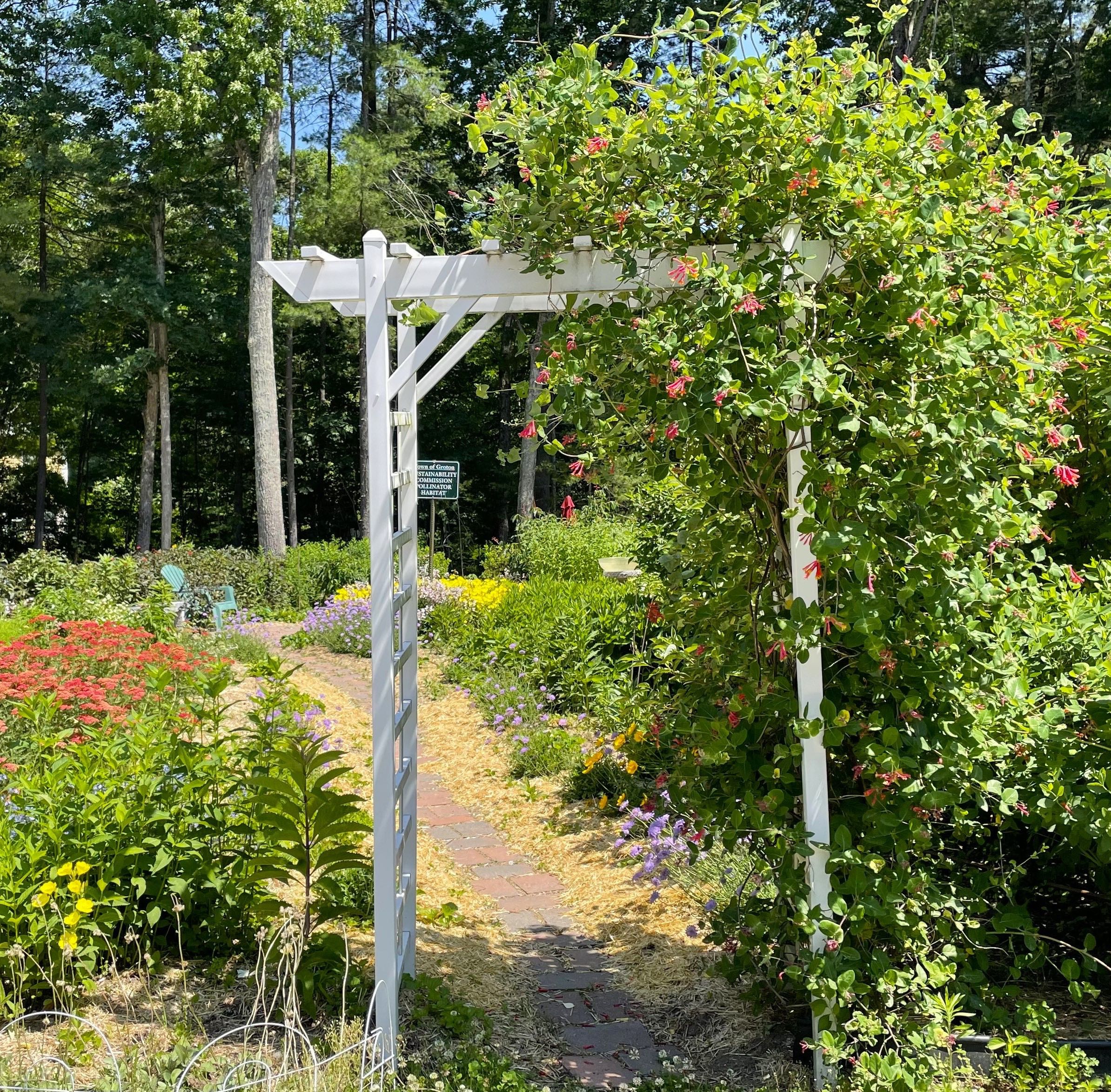
Click on the Deep Dive tab above to read about the beautiful Sustainability Commission Pollinator Garden at the Groton Center.

Key Features of a Native Plant Pollinator Garden/Habitat:

1.  Native Plants:

 Native plants are well-suited to the local climate, soil, and water availability, making them more resilient and requiring less maintenance. They have evolved alongside native pollinators, providing them with the specific nectar, pollen, and habitat they need.

2.  Diversity of Plant Species:

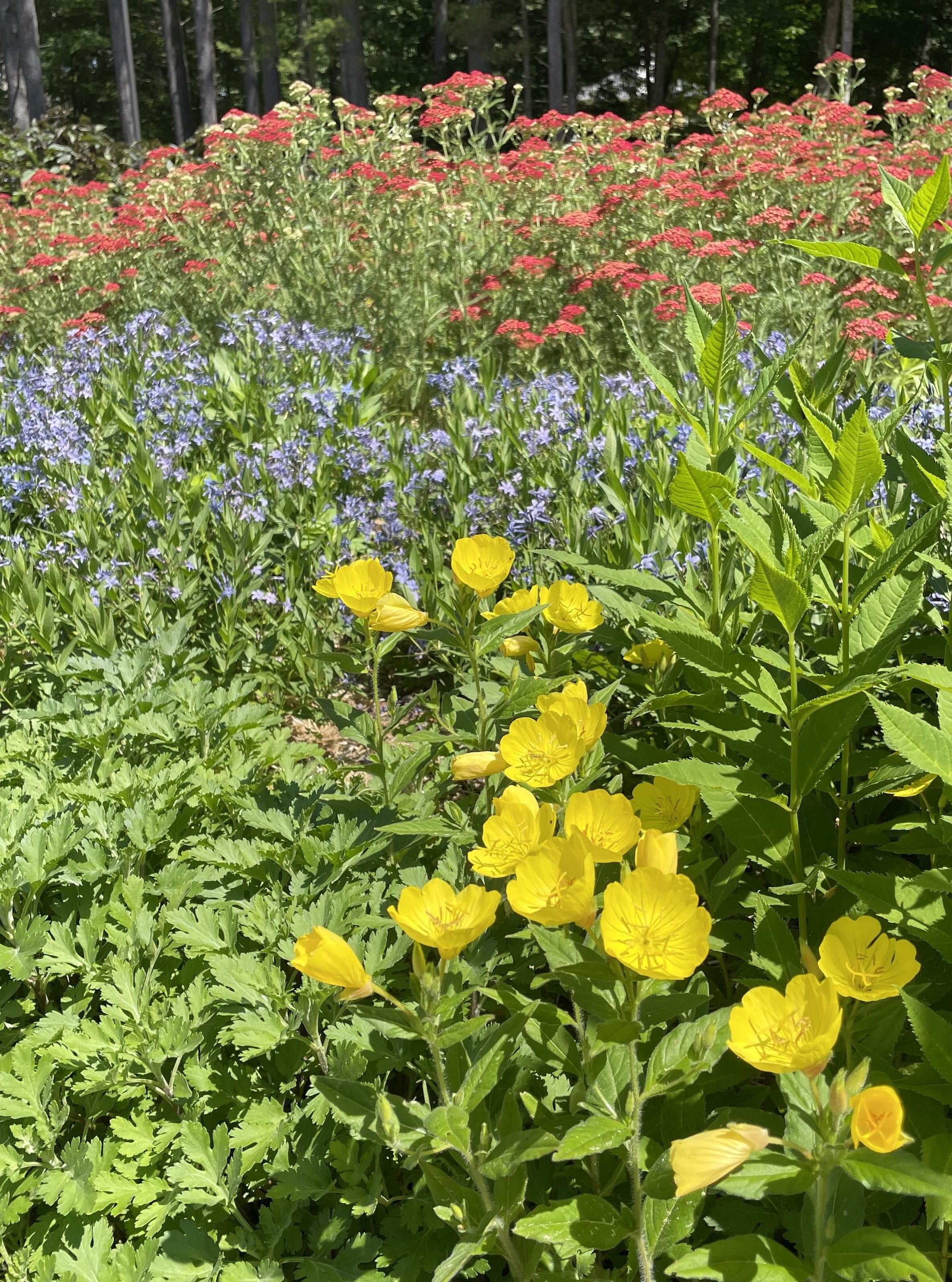
 A diverse selection of flowering plants ensures that there are blooms available throughout the growing season, providing a continuous food source for pollinators.  Including a range of flower shapes and sizes caters to the needs of different pollinator species. For example, tubular flowers attract hummingbirds, while flat, open flowers are ideal for bees and butterflies.

3.  Layered Planting Structure:

 Incorporating trees, shrubs, perennials, and groundcovers creates a layered structure that provides shelter, nesting sites, and foraging opportunities for various pollinators. Grouping plants of the same species together makes it easier for pollinators to find and feed on them.

4.  Continuous Blooming Period:

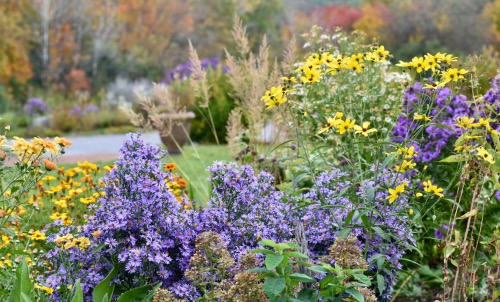
Selecting plants that bloom at different times ensures that pollinators have access to food from early spring through late fall.  Combining perennials (which return each year) with annuals (which bloom for a single season) can extend the flowering period.

5.  No Pesticide Use:

 Avoiding the use of pesticides and herbicides is critical, as these chemicals can harm pollinators and disrupt the ecosystem. Using natural methods to manage pests, such as encouraging beneficial insects and using organic pest control measures, helps protect pollinators.

6.   Water Sources:

 Providing a shallow water source, such as a birdbath with stones for perching, allows pollinators to drink and cool off.  Creating damp areas with moist soil can attract butterflies and other pollinators that need water for egg-laying and hydration.

7.  Shelter and Nesting Sites:

 Including dead wood, brush piles, and undisturbed areas of soil where solitary bees can nest, or providing bee houses and butterfly boxes, helps create a complete habitat for pollinators. These provide additional shelter and nesting sites for various pollinators.

Benefits of a Native Plant Pollinator Garden/Habitat:

By attracting and sustaining native pollinators, these gardens contribute to the health of local ecosystems and the pollination of both wild plants and agricultural crops. Native plant gardens increase plant diversity, which in turn supports a wide variety of pollinator species and other wildlife. Native plants are adapted to local conditions, making them more resistant to pests and diseases, and reducing the need for watering, fertilizing, and other maintenance tasks.

Creating a native plant pollinator garden or habitat is an effective way to contribute to environmental conservation, support local wildlife, and enjoy a beautiful, thriving garden.
Steps to Take

How to Create a Native Plant Pollinator Garden/Habitat:

 1.  Choose Native Plants: Native plants are well-suited to the local climate, soil, and water availability, making them more resilient and requiring less maintenance.These plants have evolved alongside native pollinators, providing them with the specific nectar, pollen, and habitat they need.

  • Before planting:determine your space’s light conditions (full sun, part-sun or shade), soil     moisture (dry, medium or moist), and soil type (clay, gravel, loam or sand).
  • Plant “straight” species of native plants:  Pollinators prefer straight species over cultivars. Straight species are native plants that occur naturally in the wild and reproduce without intervention from people. For example, Anise Hyssop – Agastache foeniculum is a straight species. Golden Jubilee Anise Hyssop – Agastache foeniculum ‘Golden Jubilee’ is a cultivar. Hybrids and cultivars often lack the nectar, pollen and fragrance that straight species have, and are less nutritious to pollinators.
  • No Neonicotinoids: Choose plants and seeds that have been grown without pesticides and have not been pre-treated with neonicotinoids. Thesepesticides cause the entire plant to be toxic to pollinators and can leach into the soil and take years to disappear.
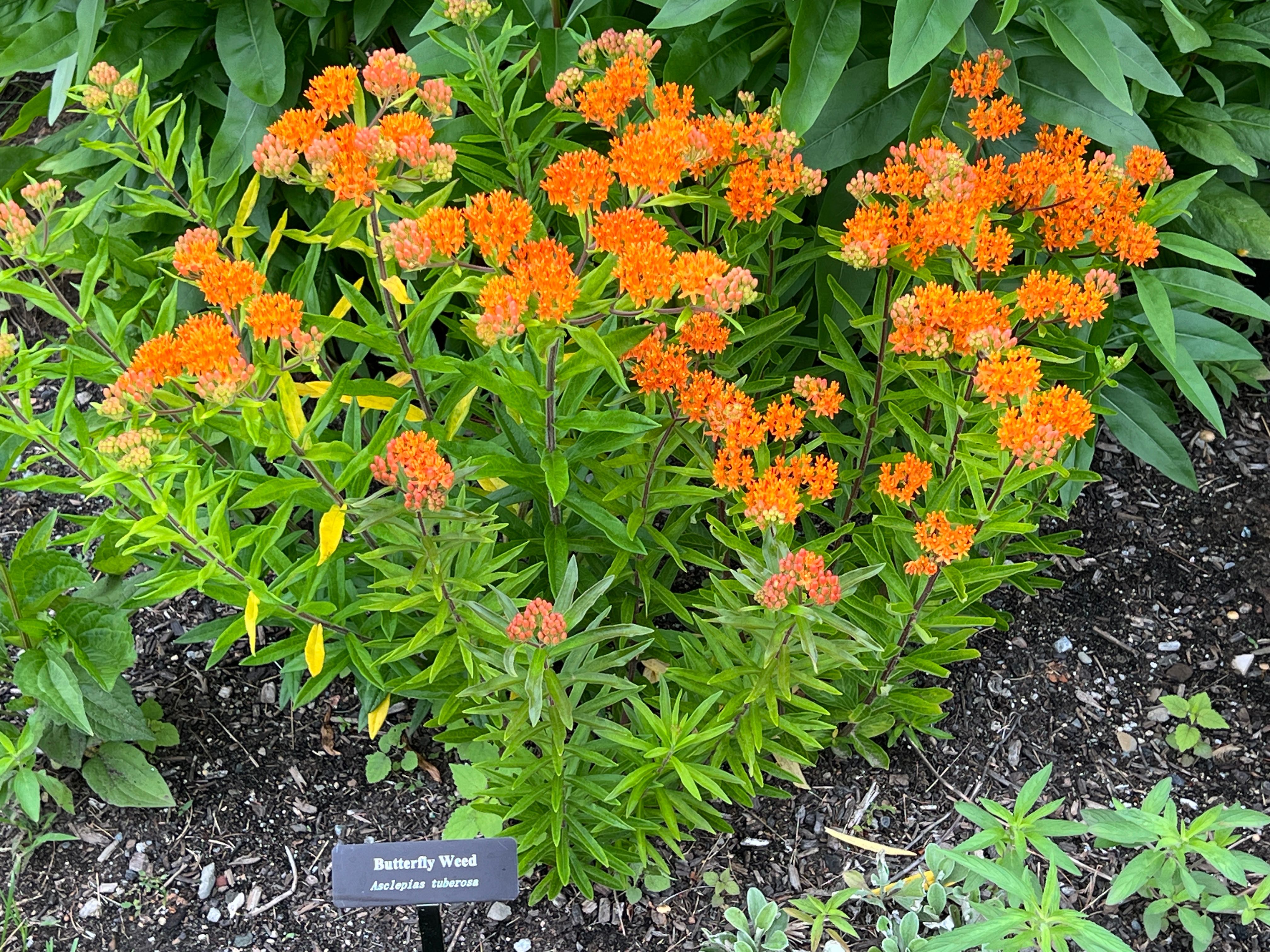
  • Plant Some Milkweed: This is the sole host plant for the Monarch butterfly. Common milkweed is good for the wilder areas of your yard where it can freely self-seed. Butterfly weed and swamp milkweed are better choices for garden areas.

Google Image

 2.  Plant a Diversity of Plant Species:

  • Variety of Flowering Plants: A diverse selection of flowering plants ensures that there are blooms available throughout the growing season, providing a continuous food source for pollinators.
  • Different Flower Shapes and Sizes: Including a range of flower shapes and sizes caters to the needs of different pollinator species. For example, tubular flowers attract hummingbirds, while flat, open flowers are ideal for bees and butterflies.

3.   Make a Layered Planting Structure:

Google Image

  • Multiple Plant Layers: Incorporating trees, shrubs, perennials, and groundcovers creates a layered structure that provides shelter, nesting sites, and foraging opportunities for various pollinators.
  • Clumping Plants: Grouping plants of the same species together makes it easier for pollinators to find and feed on them.

  4.  Have a Continuous Blooming Period:

  • Seasonal Blooms: Selecting plants that bloom at different times ensures that pollinators have access to food from early spring through late fall.
  • Perennial and Annual Mix: Combining perennials (which return each year) with annuals (which bloom for a single season) can extend the flowering period.

5.  Avoid the use of Pesticides:

  • Chemical-Free Gardening: Avoiding the use of pesticides and herbicides is critical, as these chemicals can harm pollinators and disrupt the ecosystem.

Google Image

6.  Integrated Pest Management (IPM):

  •  Use natural methods to manage pests, such as encouraging beneficial insects and using organic pest control measures, helps protect pollinators.
  •  Learn to be okay with a bit of pest damage in your garden, and remove weeds and invasive  insects like Japanese beetles by hand. 

  7.  Provide a Water Source:

  • Shallow Water: Providing a shallow water source, such as a birdbath with stones for perching, allows pollinators to drink and cool off.
  • Moist Soil Areas: Creating damp areas with moist soil can attract butterflies and other pollinators that need water for egg-laying and hydration.

 8.  Provide Shelter and Nesting Sites:

  • Habitat Features: Including dead wood, brush piles, and undisturbed areas of soil where solitary bees can nest, or providing bee houses and butterfly boxes, helps create a complete habitat for pollinators.
  • Native Grasses and Ground Cover: These provide additional shelter and nesting sites for various pollinators.

9.  Reduce Light Pollution:

 10. Start identifying and removing invasive plants from your property: 

   (See action item: Identify Invasive Species & Remove)

11. Delay Spring Cleanup:

  • Wait until spring daytime temperatures are above 50 degrees for five consecutive days before cutting back dead flower stalks and removing leaf litter to give overwintering bees and caterpillars time to emerge.  Cut plant stocks leaving 12-18 inches tall.  Many bees will nest in this material.

12. Visit the Sustainability Commission’s Pollinator Habitat Garden:  

  • Located on the grounds of The Groton Center at 163 West Main Street to see a beautiful example of a pollinator garden. This garden is a conservation project to help offset the loss of pollinator habitat. Commission member Alison Peterson has meticulously designed, planted and maintained the garden over the past four years. The garden features over fifty types of native perennials, groundcovers, vines and shrubs which provide three seasons of blooms. Click on the Deep Dive tave above to read more about the Pollinator Habitat Garden and why helping pollinators is essential.

Benefits of a Native Plant Pollinator Garden/Habitat:

  • Supports Local Ecosystems: By attracting and sustaining native pollinators, these gardens contribute to the health of local ecosystems and the pollination of both wild plants and agricultural crops.
  • Enhances Biodiversity: Native plant gardens increase plant diversity, which in turn supports a wide variety of pollinator species and other wildlife.
  • Low Maintenance: Native plants are adapted to local conditions, making them more resistant to pests and diseases, and reducing the need for watering, fertilizing, and other maintenance tasks.
  • Fun to See: If you plant it, they will come. Enjoy all the creatures you will see that would not be around without native plants in your landscape.

Creating a native plant pollinator garden or habitat is an effective way to contribute to environmental conservation, support local wildlife, and enjoy a beautiful, thriving garden.
Deep Dive

POLLINATOR HABITAT GARDEN   By Alison Peterson

Google ImageGoogle Image

Pollinators are essential because they allow plants to reproduce. They are responsible for the reproduction of almost all flowering plants. Pollination is the act of moving pollen from the male anther of a flower to the female stigma of a flower of the same species. This allows the transfer of genetic material, resulting in the production of seeds, fruits, and the next generation of plants. Native pollinators provide pollination services to more than 180,000 different plant species and more than 1200 crops. One out of every three bites of food that you eat is from a pollinated plant. In addition to the food that we eat, pollinators support healthy ecosystems that clean the air, stabilize soil, and support wildlife.

Scientists have brought our attention to declining pollinator populations due primarily to habitat loss and pesticide use. Pollution, diseases, and climate change are also contributing to declining and shifting pollinator populations. Scientific research over the last three decades has shown that conservation techniques work. Habitat creation and restoration can change the future for pollinators. Our food supply and ecosystems depend on healthy pollinator populations. Planting pollinator gardens helps people and wildlife, supports sustainable environments, and contributes to biodiversity.

Google Image

The pollinator habitat at The Groton Center is a conservationproject to help offset the loss of pollinator habitat. It is a long-term low maintenance habitat for native butterflies, bees, and hummingbirds. It is planted with perennials, woody vines, groundcovers and shrubs that provide three seasons of overlapping bloom times. The habitat is registered with the Million Pollinator Garden Movement. This program is a nationwide call to action to create pollinator gardens across America to meet our environmental challenge.

The habitat location on the grounds of The Groton Center is adjacent to the Council on Aging building that serves our senior citizens and is easily accessible to the public. It is a beautiful relaxing greenspace that uses plants to create an outdoor room. The garden contains a stone walking path, patios, picnic table, solar fountain, and benches among the plants. In addition to serving the needs of the pollinators, the habitat provides health benefits and enjoyment to all who visit. Medical studies have shown that visiting a natural greenspace for as little as fifteen minutes on a regular basis reduces blood pressure and lowers stress levels.

BOOKS

Nature’s Best Hope: A New Approach to Conservation That Starts in Your Yard, by Douglas W.
Tallamy
The Living Landscape: Designing for Beauty and Biodiversity in the Home Garden by Rick
Darke and Douglas W. Tallamy
Bringing Nature Home: How You Can Sustain Wildlife with Native Plants by Douglas W. Tallamy

Pollinators of Native Plants by Heather Holm
Bees: An Identification and Native Plant Forage Guide by Heather Holm
Native Plants for New England Gardens by Mark Richardson and Dan Jaffe
Native Plants of the Northeast: A Guide for Gardening and Conservation by Donald J. Leopold
The Northeast Native Plant Primer by Uli Lorimer

WEBSITES

Pollinator Pathways https://www.pollinator-pathway.org

Pollinator Partnership https://www.pollinator.org

Monarch Watch  https://monarchwatch.org

Grow Native Massachusetts https://grownativemass.org

Homegrown National Park https://homegrownnationalpark.org

Native Plant Trust  https://www.nativeplanttrust.org

The Beecology Project  https://beecology.wpi.edu/website/home

Northeast Pollinator  https://www.northeastpollinator.com

Xerces Society: Pollinator Conservation Resources  https://www.northeastpollinator.com

Massachusetts Invasive Plant Advisory Group  https://massnrc.org/MIPAG/

New England Botanical Garden at Tower Hill  https://nebg.org


Native Plant Retailers 

Native Plant Trust at Garden In The Woods, Framingham MA   https://www.nativeplanttrust.org

Bigelow Nursery, Northborough MA  https://bigelownurseries.com

Weston Nurseries, Chelmsford MA   https://www.westonnurseries.com

Mahoney’s Garden Center  https://mahoneysgarden.com

Blue Stem Natives, Norwell MA   https://www.bluestemnatives.com

Russells Garden Center, Wayland MA  https://www.russellsgardencenter.com

Izel Plants    https://www.izelplants.com

Wild Seed Project    https://wildseedproject.net

Vermont Wildflower Farm  https://www.vermontwildflowerfarm.com

Bagley Pond Perennials, Raymond NH    https://bagleypondperennials.com


Testimonials

I started gardening in my yard 10 years ago. Back then I had no idea what a native plant was and had no idea that…
A work in progress!
Submitted by: Linda Loren

Add a Testimonial

0%

Subscribe to receive Sustainable Groton Newsletter and Updates

* indicates required
Subscriber Preferences