Do a Light Fall Garden Clean-Up

Category

Land & Water

Impact

Cost

?

Google Image

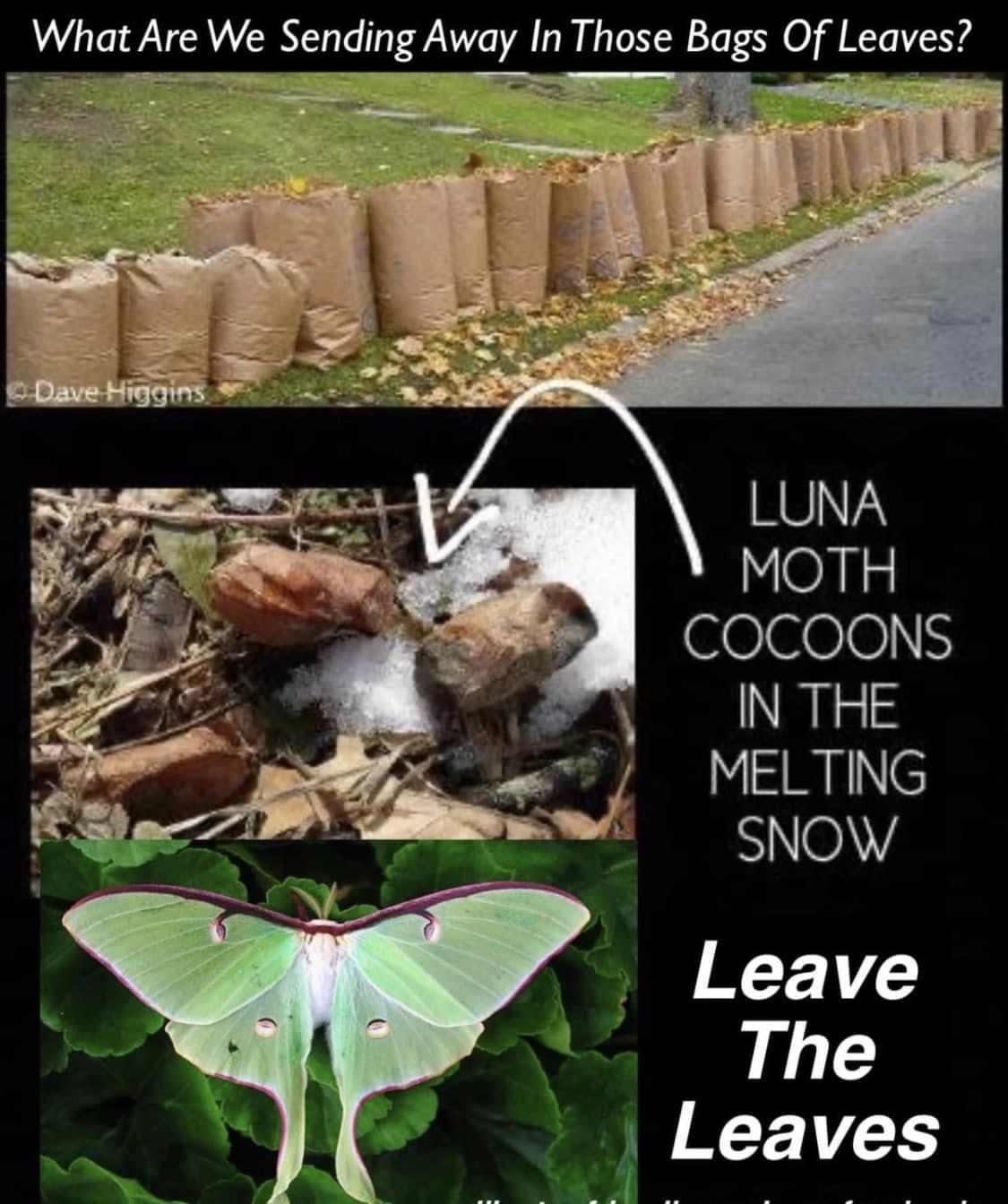
Native insects and birds need the habitats created by leaf litter, dead stalks and native grasses. Many creatures like butterflies, bees, moths, toads, and salamanders need leaf litter to survive the freezing temperatures of winter.  Your plants also need dead leaves for the microorganisms they nurture.
Google Image

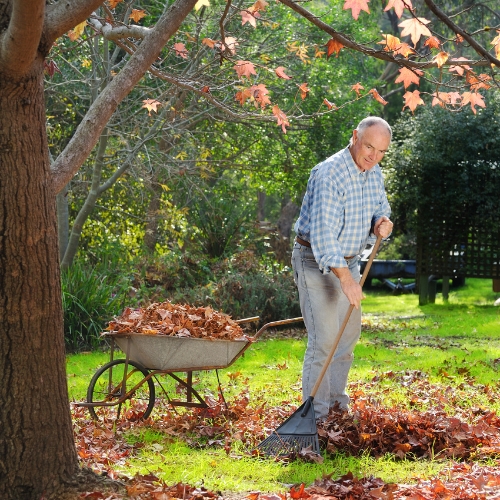
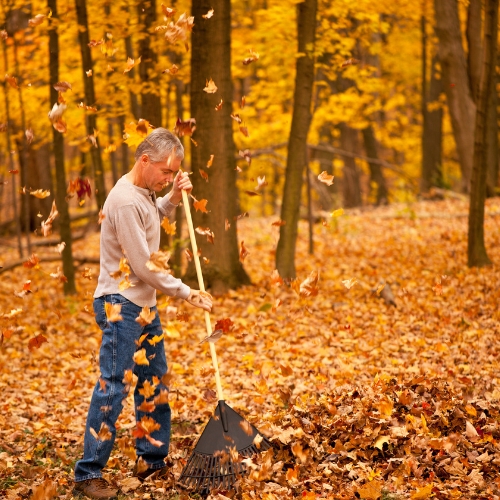
By doing a lighter fall clean-up and accepting a slightly less tidy yard, you can do a lot both for your garden and for the resilience of our threatened native fauna.  As the New York Times puts it, think of fall clean-up as an “editing job”, not a wholesale cleanout.

https://www.nytimes.com/2020/09/30/realestate/fall-garden-cleanup.html


Steps to Take

  1. Let leaves lie where they fall in your shrub and perennial beds.  And don’t shred them, as this will kill the overwintering insects.  The leaves will provide winter mulch for your plants as well as spring nutrients and soil conditioning.
  2. In beds where you have planted early spring bulbs, rake the leaves to the side in late March or early April, leaving a thin layer that the bulbs can push through.
  3. If you have peonies, roses, or other plants that tend to harbor disease, move leaves and debris away from the plants and use fresh leaves from other areas in your garden.
  4. Leave dead flower stalks standing to allow birds to eat the seeds and insects to overwinter in the stalks.
  5. Vegetable gardens should be thoroughly cleaned out to prevent disease.  You don’t want to leave the soil bare.  This is a great place to put any extra leaves from your lawn area.
  6. Too many leaves?  Make leaf mold.  Simply pile leaves in an out-of-the-way spot. Six feet square is a good size.  Make sure they are moist, and let them decay.  Leaf mold is an excellent soil addition and/or mulch.  Companies are even starting to sell leaf mold just like they do with shredded tree mulch.

Testimonials

On a farm there is no need to rake leaves. The last mowing of pastures occurs in September and then the leaves cover the ground…
Raking leaves is (not) for the birds
Submitted by: Bruce Easom

Add a Testimonial

0%

Subscribe to receive Sustainable Groton Newsletter and Updates

* indicates required
Subscriber Preferences